
The EV wave in India it’s already here, and frankly, it’s picking up pace faster than most people expected. Just in the first few months of 2026, we’ve seen mass-market names like the XUV 3XO EV, Tata Punch.ev, and Maruti e Vitara hit the streets. But here’s where it gets interesting: the next set of launches isn’t just about affordability it’s about stretching what “budget EV” even means in India.
We’re now looking at a sweet spot between ₹15–20 lakh, where buyers want range, space, and a bit of aspirational design not just basic electrification. And three upcoming models are about to test exactly that.
Toyota Urban Cruiser
Toyota’s EV strategy in India has been cautious, almost slow-burn. But the Urban Cruiser Ebella feels like a calculated entry rather than a rushed one.
At its core, it shares everything important with the Maruti e Vitara same platform, battery packs, and drivetrain. But Toyota has tweaked the personality. Where the e Vitara leans slightly rugged, the Ebella is cleaner, more urban, and dare I say, a bit more premium in its visual appeal.
Under the skin, there’s nothing radically new but that’s not necessarily a bad thing.
| Variant | Battery Pack | Power Output | Torque | Claimed Range |
|---|---|---|---|---|
| Base | 49 kWh LFP | 106 kW (142 hp) | 193 Nm | ~440 km |
| Top | 61 kWh LFP | 128 kW (172 hp) | 193 Nm | ~543 km |
Those are solid numbers for the price bracket. In fact, a 500+ km claimed range in the top trim starts nudging into territory that used to belong to much more expensive EVs.
The real question, though, is pricing strategy. If Toyota positions it even slightly above the e Vitara, buyers might hesitate. But if they lean into value or introduce flexible ownership models like battery leasing it could hit a sweet spot.

Tata Sierra.ev
Now this one… this one has emotion attached to it.
The Sierra name carries weight in India. People remember it. And Tata knows exactly what it’s doing by bringing it back as an EV instead of a conventional ICE SUV.
The Sierra.ev is expected to break away from the slightly busy design language Tata has used recently. Early previews suggest a cleaner, flatter front, almost minimalist something that aligns better with global EV design trends.
Inside, the big advantage will be space. A flat floor (thanks to the EV platform) means better legroom, more flexibility, and a cabin that feels less cramped than traditional SUVs in this segment.
Expected highlights:
- Single-motor RWD and dual-motor AWD options
- Two battery pack choices
- Targeted range: up to ~650 km
If Tata pulls off even 550–600 km in real-world conditions, that’s going to be a serious statement.

| Feature Area | Expected Offering |
|---|---|
| Drivetrain | RWD & AWD options |
| Battery Options | Multiple |
| Range Target | Up to ~650 km |
| Design Focus | Minimalist EV styling |
Launch is likely in May, but expect a full reveal in April classic Tata move, building hype before bookings open.
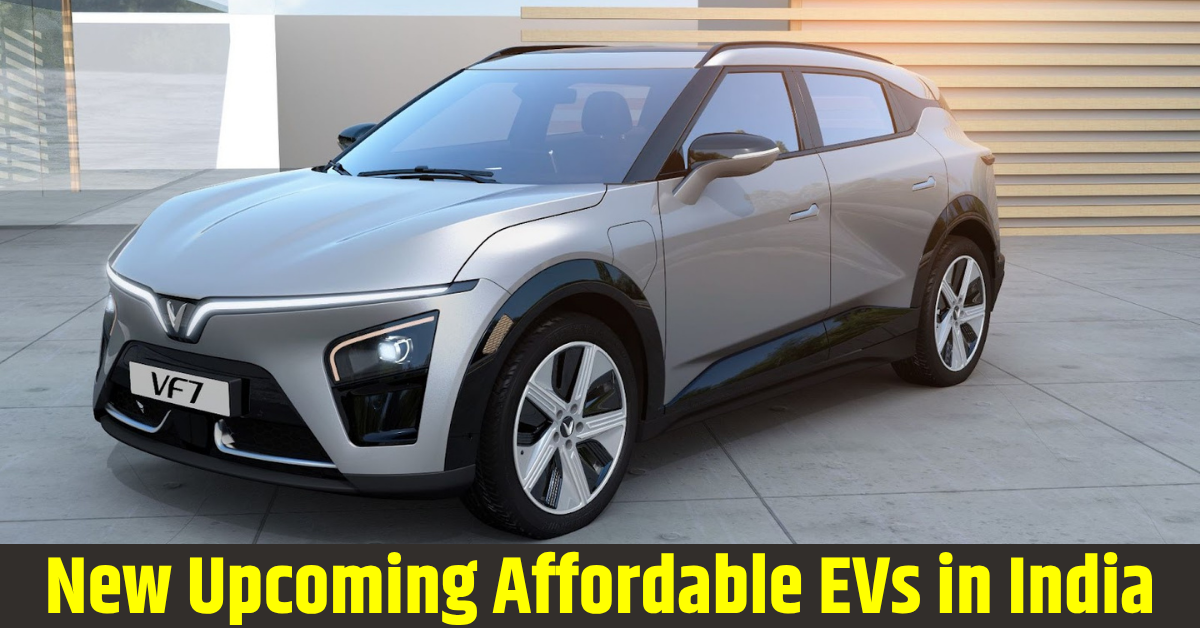
VinFast VF 7 MPV
VinFast entering India still feels a bit surreal to some buyers. But the Vietnamese automaker isn’t dipping its toes it’s diving in.
The VF 7 MPV (positioned as an Innova rival, interestingly) could shake things up simply because it’s trying something different: a fully electric, three-row family mover in a segment that’s still dominated by diesel.
Let’s talk numbers.
| Specification | VinFast VF 7 MPV |
|---|---|
| Length | 4,740 mm |
| Wheelbase | 2,840 mm |
| Power | 150 kW (201 hp) |
| Torque | 280 Nm |
| Battery | 60.13 kWh LFP |
| Range (NEDC) | ~450 km |
On paper, it’s competitive. But here’s the catch NEDC figures tend to be optimistic. Real-world range could land closer to 350–380 km, depending on usage.
Still, the bigger story is positioning. If VinFast prices this aggressively, it could attract large families, fleet buyers, and even corporate users looking to electrify their transport.

But and this is important brand trust will be a hurdle. Indian buyers don’t just look at specs; they look at service networks, resale value, and long-term reliability. VinFast will need to prove itself quickly.
What’s Changing in the ₹15–20 Lakh EV Space
A year ago, this price bracket meant compromise. Limited range, smaller cars, and a lot of “early adopter” risk.
That’s no longer the case.
Now, buyers are getting:
- 400–650 km claimed range
- Proper SUV or MPV body styles
- Advanced features and connected tech
- Multiple drivetrain options (even AWD in some cases)
And perhaps more importantly, they’re getting choice. Not just one or two models but a growing list across brands.
There’s also a subtle shift in buyer mindset. Earlier, EV buyers were either environmentally conscious or tech-curious. Now, they’re just regular car buyers asking a simple question: “Does this make more sense than petrol or diesel?”
