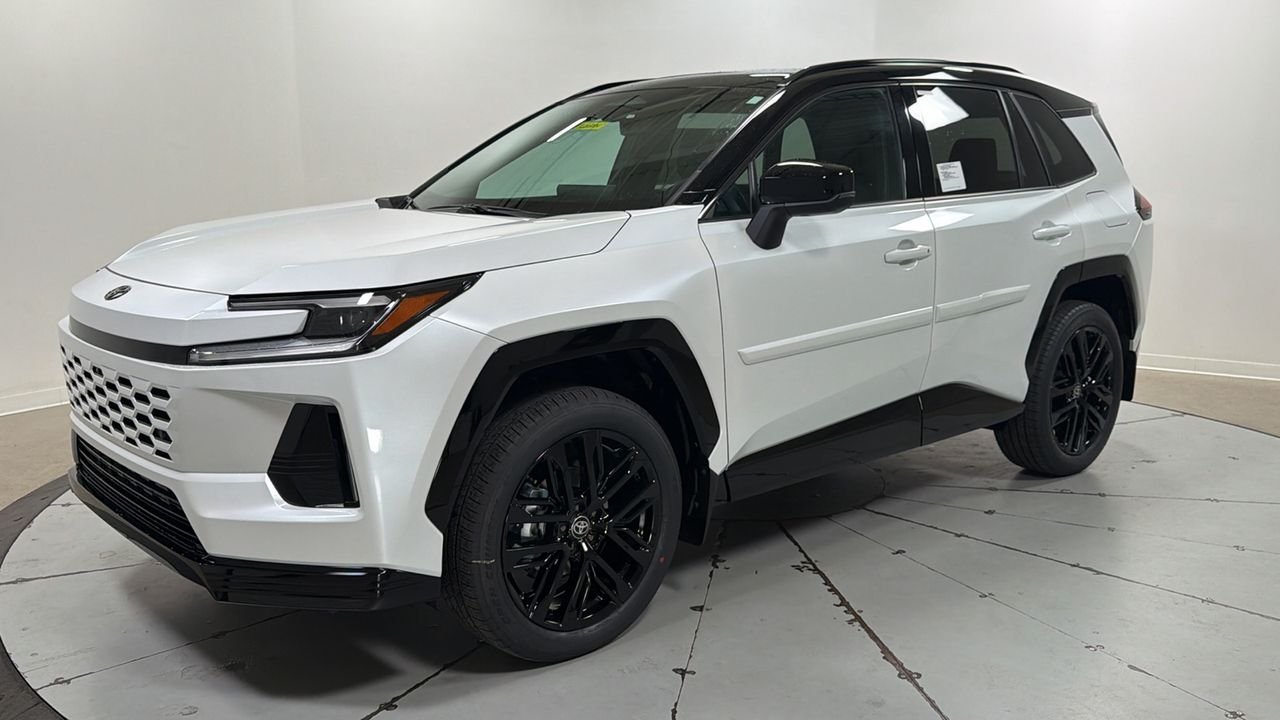

The 2026 Toyota RAV4 is being talked about as a hybrid-first, mileage-friendly machine that somehow manages to look aggressive while promising efficiency numbers that sound almost too good for an SUV. And honestly, that’s where things get interesting.
A Design
Toyota seems to be leaning harder into a bold identity with the RAV4 2026. The design language—what some are calling the “Hammerhead” front—ditches softness for sharper edges and a more assertive stance. The C-shaped LED DRLs wrap around the headlamps in a way that makes the SUV look alert, almost like it’s squinting at traffic ahead.
At the back, the full-width LED light bar gives it that modern, slightly futuristic feel that’s become almost mandatory in this segment. It’s not just about looking good in photos—it’s about standing out in a parking lot full of mid-size SUVs that all sort of blur together after a while.
And yes, the body looks muscular. Not exaggerated, but confident. Like it knows it belongs on both city roads and slightly rougher terrain.
Hybrid-Only Strategy
Here’s where Toyota is making a statement—no pure petrol variant. Everything is hybrid.
That decision alone tells you how the market is shifting. Instead of offering multiple fuel options, Toyota seems to be betting that buyers are ready to embrace electrification… at least partially.
Engine & Power Breakdown
| Variant Type | Engine Setup | Power Output | Driving Feel |
|---|---|---|---|
| Hybrid | 2.5L Petrol + Electric Motor | 226–236 HP | Smooth, balanced |
| Plug-in Hybrid | 2.5L Petrol + Dual Electric Motors | 320+ HP | Quick, responsive |
The standard hybrid should be more than enough for everyday driving—smooth acceleration, quiet operation, and decent punch when needed. But the plug-in hybrid? That’s where things get spicy. Over 300 horsepower in a family SUV isn’t just practical—it’s borderline fun.
Mileage Claims
Mileage is where this SUV grabs headlines. But it’s also where you need to read between the lines a bit.
Toyota claims strong efficiency, and here’s what’s being discussed:

| Variant | Claimed Efficiency / Range |
|---|---|
| Hybrid | 20–22 km/l |
| Plug-in Hybrid | Up to 80 km (EV-only) |
Now, 20–22 km/l for a mid-size SUV is genuinely solid. Not groundbreaking, but definitely efficient. The 80 km electric-only range in the plug-in version is what could change daily driving habits. For city commuters, that could mean barely using fuel during weekdays.
But—and this matters—real-world mileage will depend heavily on driving style, traffic, and charging habits. These numbers aren’t magic. They’re achievable under the right conditions.
Inside the Cabin
Step inside, and the RAV4 doesn’t try to be flashy for the sake of it. Instead, it focuses on usability with a premium touch.
You get a clean dashboard layout, dominated by a 10.5-inch touchscreen that doesn’t feel like an afterthought. It’s positioned well, easy to reach, and doesn’t require you to take your eyes off the road for too long.
Behind the wheel, a 12.3-inch digital instrument cluster gives you all the data you’d expect—battery usage, hybrid performance, navigation, and more.
Other highlights include:
- Wireless Android Auto and Apple CarPlay
- Panoramic sunroof (higher trims)
- Generous legroom and headroom
- Practical cargo space for family use
It’s not trying to reinvent interiors. It’s just making sure everything works the way you expect it to.
Tech & Safety
Toyota has always been more about reliability than flashy tech, but the RAV4 2026 does step things up.

You’re looking at:
- 360-degree camera for tight parking situations
- Adaptive cruise control for highway comfort
- Lane keep assist to reduce driver fatigue
- Toyota Safety Sense suite for active safety
There’s also connected car tech—app-based controls, remote monitoring, and other features that are becoming standard in this price range.
Nothing here feels experimental. It’s all tested, refined, and designed to work without fuss.
Pricing and Positioning
Let’s talk money, because that’s where the conversation usually gets real.
The expected price in India is being discussed around ₹40–45 lakh. That puts it squarely in the premium SUV category.
At that price point, buyers will naturally compare it with:
- Hyundai Tucson
- Jeep Compass (top variants)
- Entry-level luxury SUVs
What Toyota is banking on is simple: hybrid efficiency + long-term reliability + global brand trust.
Whether that’s enough to justify the price will depend on how much value buyers place on fuel savings and low maintenance over time.

Final Verdict
The Toyota RAV4 2026 feels like a product that understands where the market is headed. It’s not chasing extremes—it’s balancing power, efficiency, and everyday usability.
If Toyota gets the pricing and positioning right, this could easily become one of the most sensible premium SUV choices. Not the flashiest, not the cheapest—but probably one of the smartest.
And honestly, in a world full of overpromises, that might be exactly what buyers are looking for.
FAQs
Is the Toyota RAV4 2026 fully hybrid?
Yes, it is expected to be offered only with hybrid and plug-in hybrid powertrains, with no pure petrol option.
What is the expected mileage of the RAV4 2026?
The hybrid version may deliver around 20–22 km/l, while the plug-in hybrid could offer up to 80 km of electric-only range.
Will the RAV4 2026 launch in India?
There is no official confirmation yet, but it is expected to launch as a premium offering if introduced.
How powerful is the plug-in hybrid version?
It can produce over 320 horsepower, making it one of the more powerful SUVs in its segment.
What are the key interior features?
A 10.5-inch touchscreen, 12.3-inch digital cluster, panoramic sunroof, and wireless smartphone connectivity are expected.
